


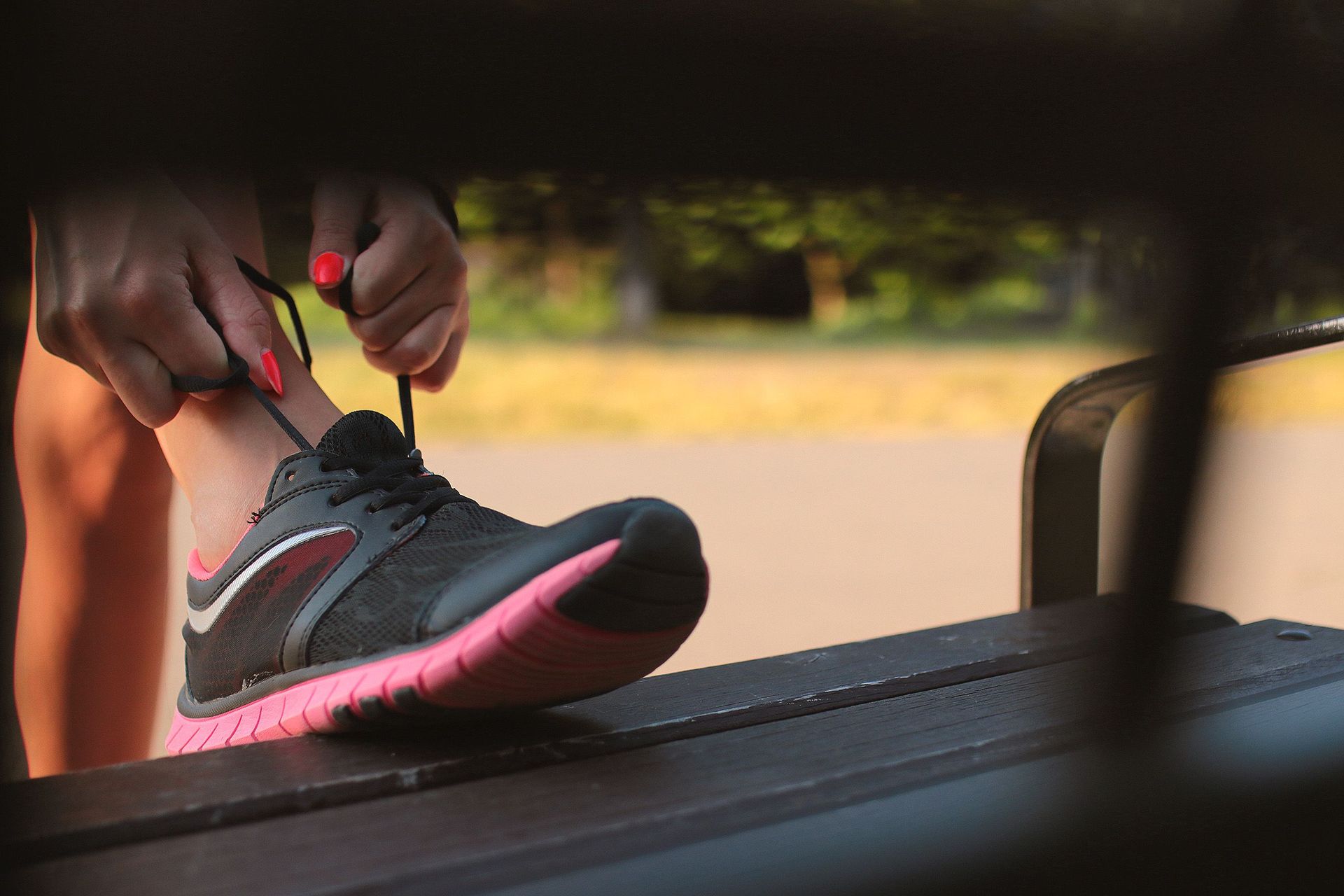
Learn how shoe choice affects injury prevention. Understand comfort, individual needs, & training load. Contact us for expert advice!
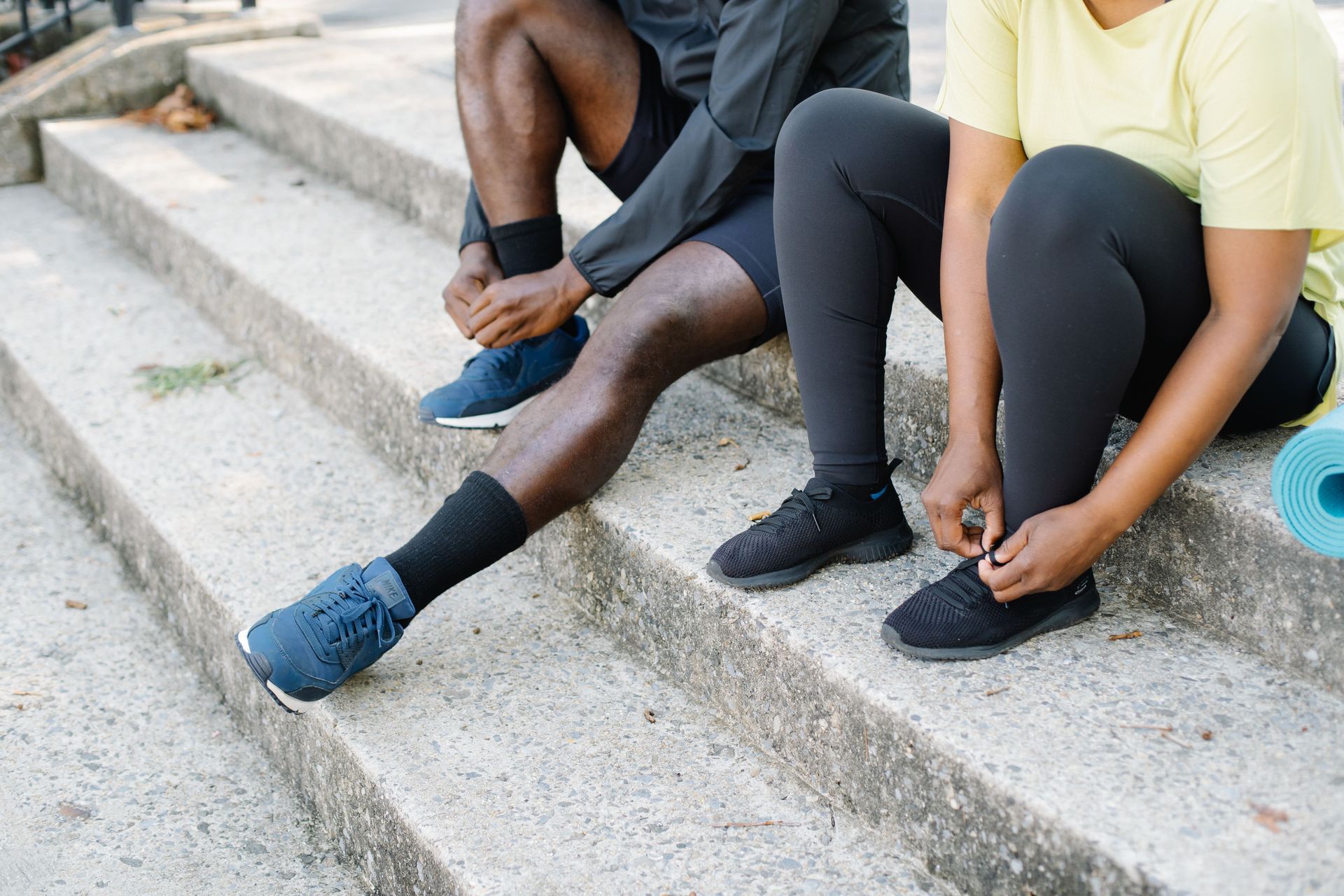
Ready to run after injury? Learn how to progress from rehabilitation to running without jumping straight back into your previous training load.

Just finished a marathon? Learn how to approach recovery, when to start running again and why rushing back into training isn't always better.

Pain around sacroiliac joint or buttock while running? Learn what SIJ pain means and whether you need to stop running while it settles.

Hip pain while running can come from several structures. Learn common causes and when persistent running-related hip pain should be assessed.
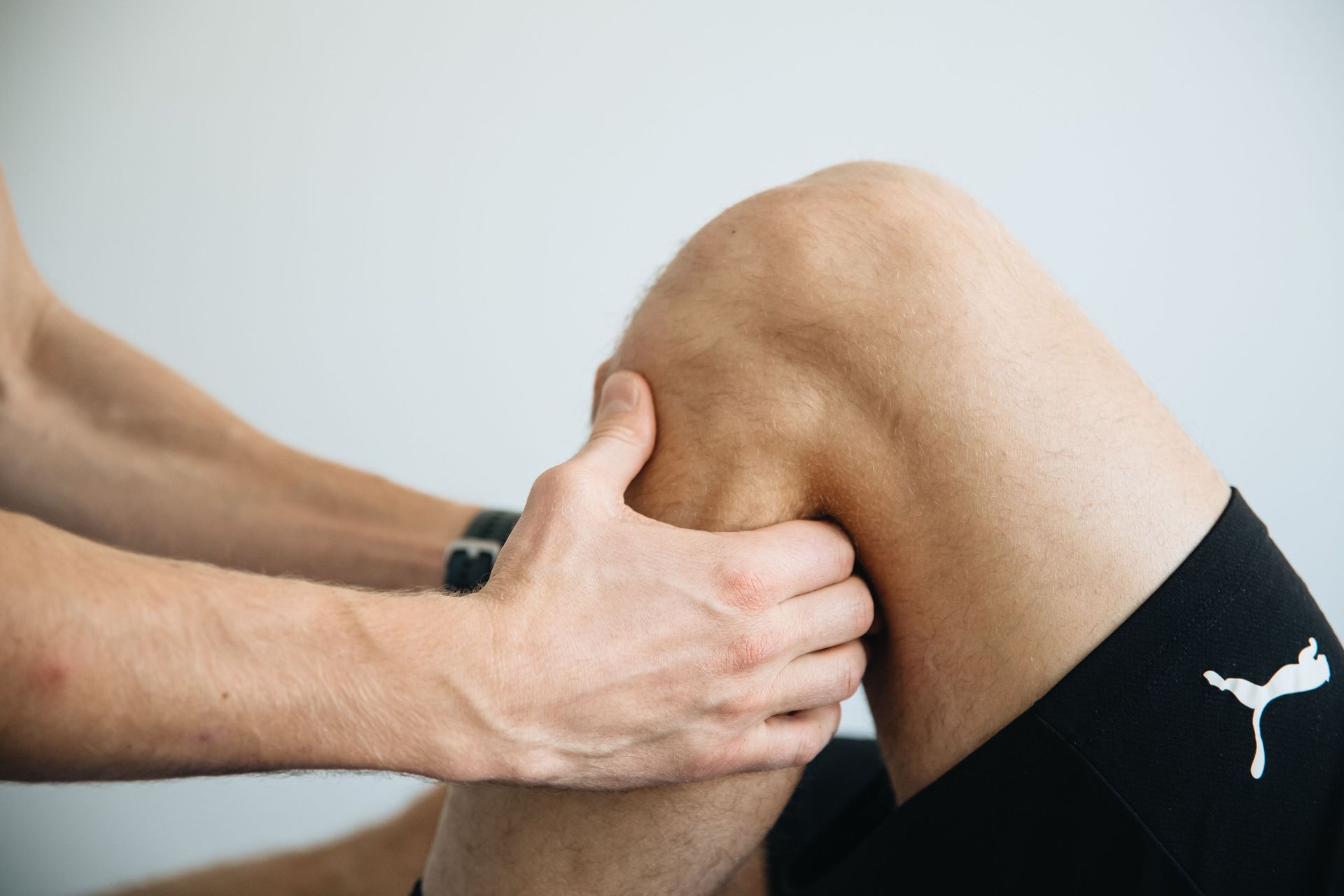
Learn effective rehab strategies for hamstring strains. Get personalized care at The Addison for a safe return to activity.

Identify early signs of stress fractures in runners. Seek expert care to prevent injuries. Contact us for assessment and support.
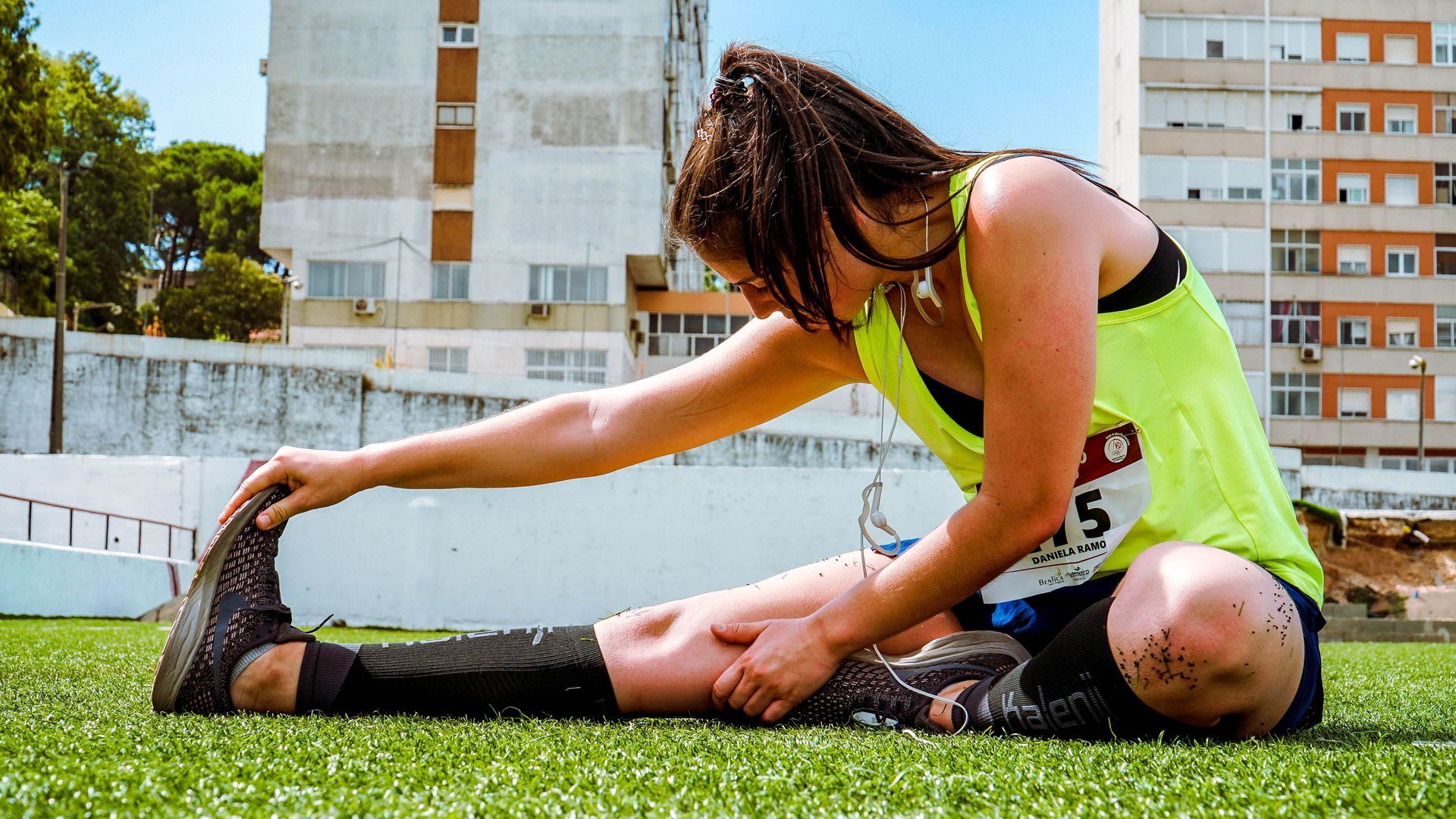
Learn about IT Band Syndrome & its impact on runners. Contact The Addison for tailored rehabilitation strategies to relieve knee pain.
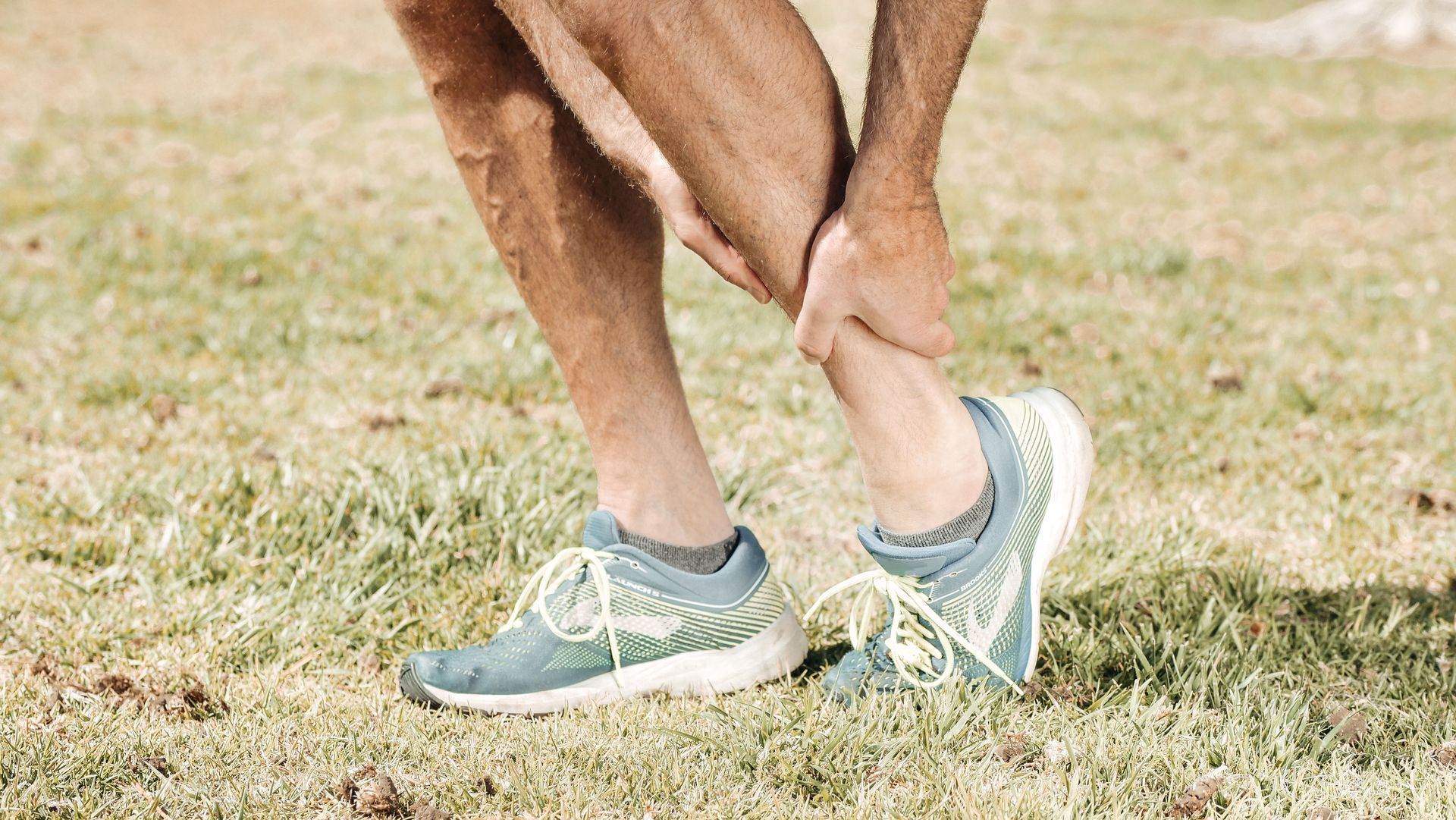
Shin pain is common in runners, but not every sore shin is shin splints. Learn when you can keep running and when shin pain needs assessment.

Learn why your Achilles hurts when running. Our team offers tailored rehab strategies to strengthen your calf and improve performance.