

Ben Marinozzi

Marathon Recovery: What Should You Do After a Marathon?

health blog

Articles about our physiotherapy, massage, sports medicine, and dietetic services.

Date

October 20, 2026

TITLE

Marathon Recovery: What Should You Do After a Marathon?

AUTHOR

Ben Marinozzi

CONNECT

  • Should shoulder exercises be painful?

    Some mild discomfort during rehabilitation is often acceptable, but exercises shouldn't cause severe or progressively worsening pain.

  • How often should I do my shoulder exercises?

    This depends on your injury and stage of recovery. Your physiotherapist will prescribe a program suited to your individual needs.

  • Can resistance bands replace weights?

    Resistance bands are excellent for early rehabilitation, but many people eventually benefit from progressing to free weights or gym equipment.

  • Should I copy exercises from YouTube?

    Not always. Exercises that are appropriate for one shoulder condition may aggravate another. It's important to know what you're treating before beginning rehabilitation.

  • Why Choose The Addison?

    At The Addison Physiotherapy, we believe rehabilitation should be individual - not generic. We assess your shoulder, identify the underlying cause of your symptoms and prescribe exercises based on your goals, lifestyle and stage of recovery.


    Whether you're aiming to return to the gym, sport or simply everyday life without pain, we'll help you build a stronger, more resilient shoulder.

You've spent months preparing for 42.2km.


You finish the marathon.


Then comes the question: What now?


The first few days


Your priority is recovery.


That means:


  • sleep
  • adequate food and hydration
  • gentle movement
  • allowing soreness to settle
  • avoiding the temptation to immediately “train through” recovery


Walking and normal daily movement are generally useful as tolerated.


When can you run again?


There isn't one mandatory number of rest days for every runner.

Consider:


  • how hard you raced
  • your training history
  • muscle soreness
  • any injuries or niggles
  • sleep and general fatigue
  • whether another event is approaching


Don't confuse fitness with recovery


Your cardiovascular fitness doesn't disappear immediately after a marathon.


You do not need to rush back into training because you're worried about losing everything you built.


Allowing adequate recovery may make the next training block more productive.


Your first runs back


Start easy.


The first few sessions are not the time to test your fitness with intervals or a hard tempo.


Gradually rebuild easy running before layering intensity back into the program.


Persistent pain isn't normal recovery


General muscle soreness is expected.


A specific area that remains painful, particularly with walking or impact, deserves closer attention.


Related Articles


Hands tying a black and pink running shoe on a treadmill
By Ben Marinozzi • October 20, 2026
Learn how shoe choice affects injury prevention. Understand comfort, individual needs, & training load. Contact us for expert advice!

Two people sitting on concrete steps, tying their shoelaces before exercise
By Ben Marinozzi • October 20, 2026
Ready to run after injury? Learn how to progress from rehabilitation to running without jumping straight back into your previous training load.
Person receiving a back massage on a treatment table while another person works beside them
By Ben Marinozzi • October 13, 2026
Pain around sacroiliac joint or buttock while running? Learn what SIJ pain means and whether you need to stop running while it settles.

Woman in a gray jacket and cap stands on a beach, smiling with waves and cloudy hills behind her.
By Ben Marinozzi • October 13, 2026
Hip pain while running can come from several structures. Learn common causes and when persistent running-related hip pain should be assessed.
Hands massaging a bent knee with a black athletic shorts Puma logo visible.
By Ben Marinozzi • October 13, 2026
Learn effective rehab strategies for hamstring strains. Get personalized care at The Addison for a safe return to activity.
Runner stretching a leg against a white brick wall, wearing blue socks and white shoes.
By Ben Marinozzi • October 7, 2026
Recovering from a calf strain? Learn what determines return-to-running timeframes and what your calf should be able to do before you run.

Runner in green shorts racing on a wet road under a blue pedestrian bridge.
By Ben Marinozzi • October 7, 2026
Identify early signs of stress fractures in runners. Seek expert care to prevent injuries. Contact us for assessment and support.
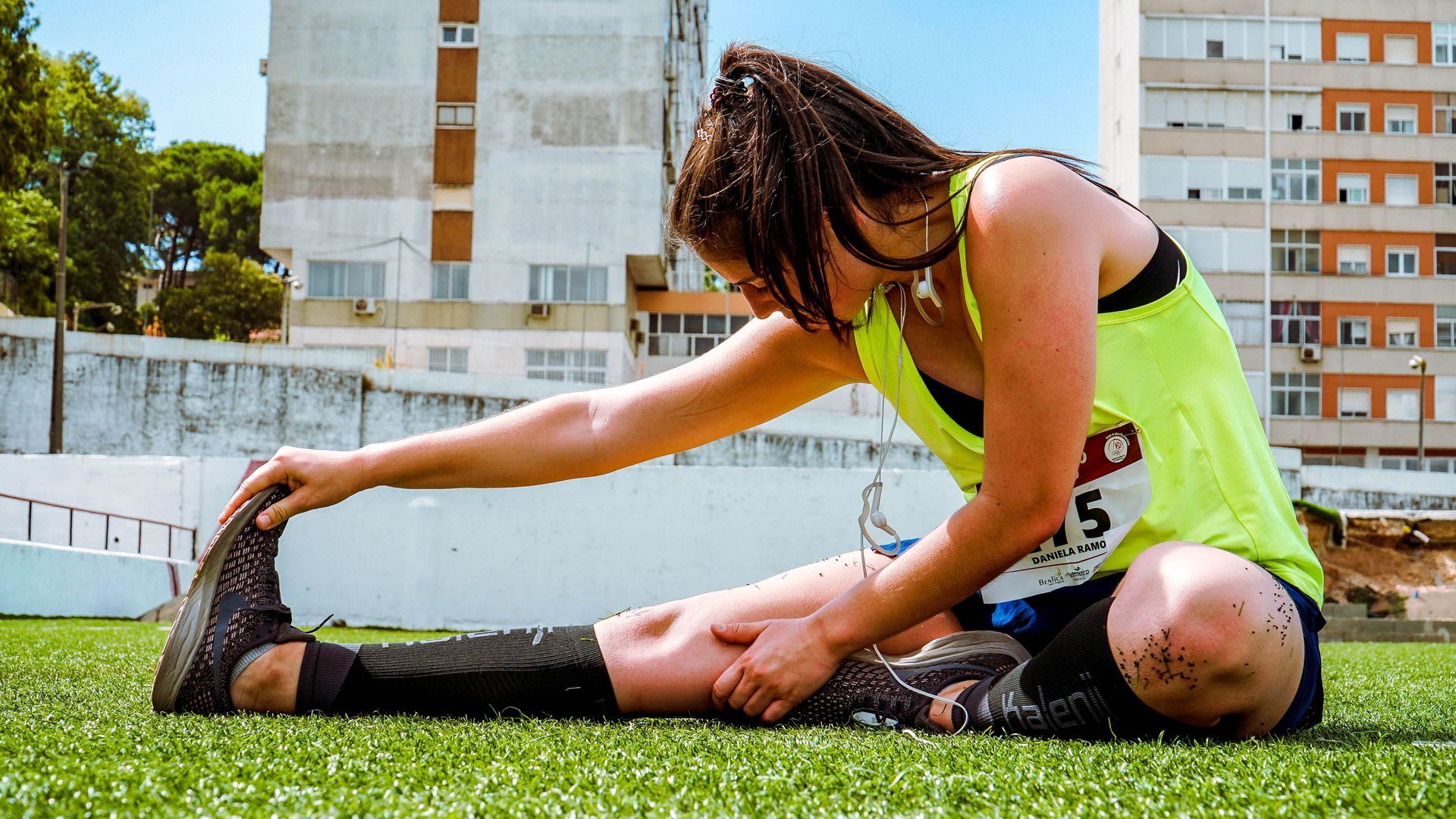
Person stretching a leg on a grassy field outdoors near buildings
By Ben Marinozzi • October 7, 2026
Learn about IT Band Syndrome & its impact on runners. Contact The Addison for tailored rehabilitation strategies to relieve knee pain.
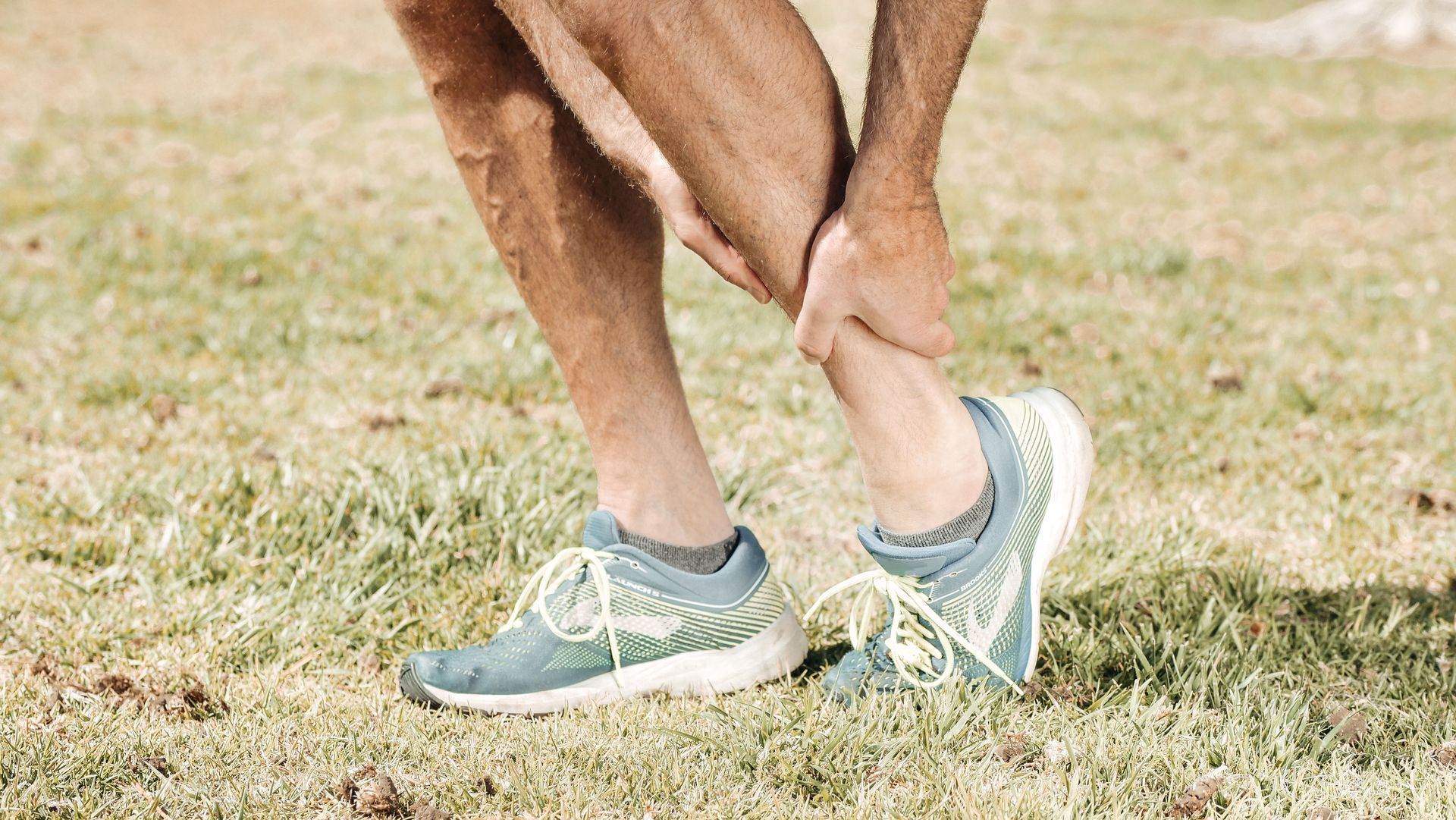
Person tying shoelaces on green running shoes outdoors on grass.
By Ben Marinozzi • September 29, 2026
Shin pain is common in runners, but not every sore shin is shin splints. Learn when you can keep running and when shin pain needs assessment.
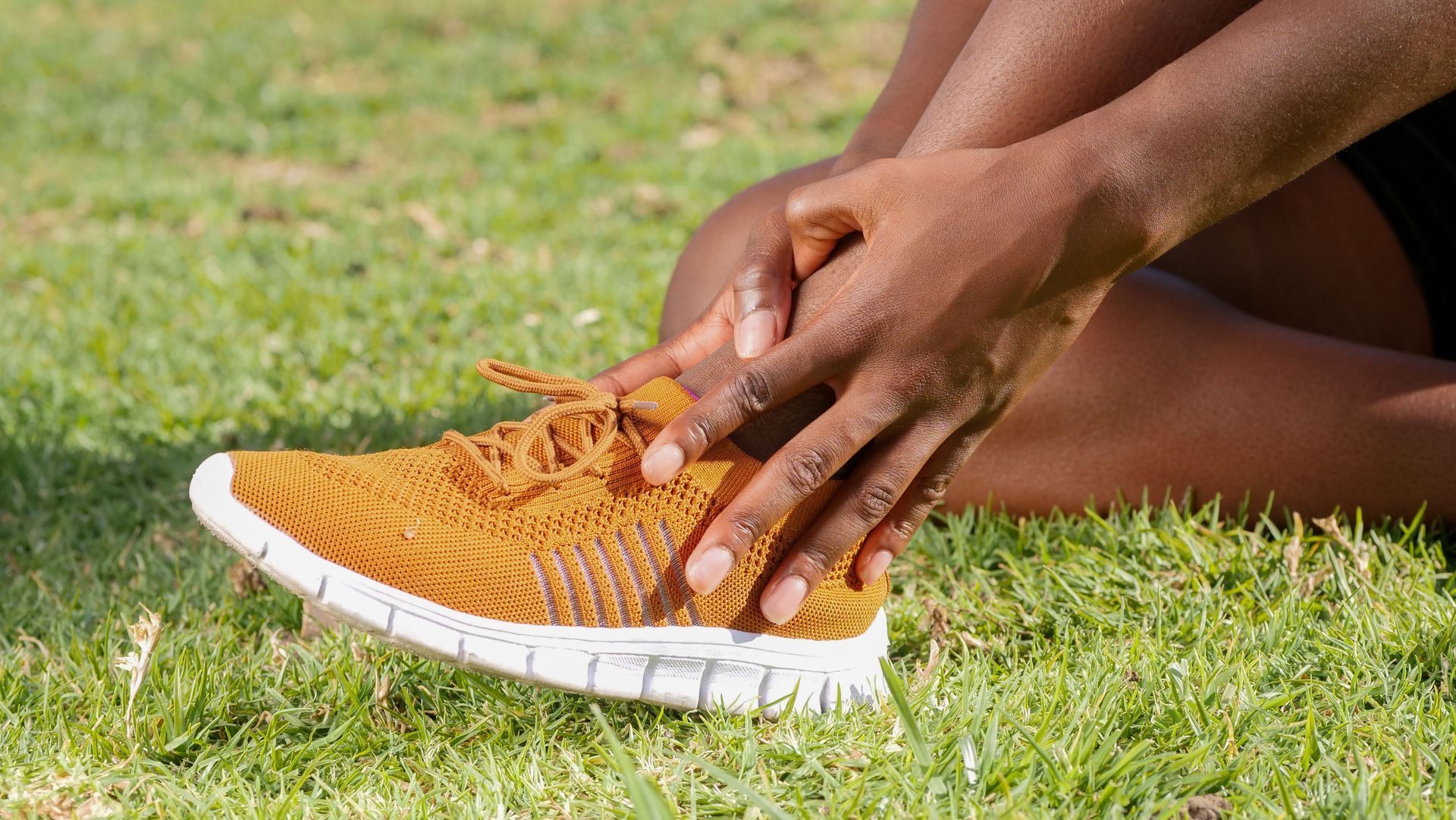
Hands tying a tan sneaker on a foot in green grass
By Ben Marinozzi • September 29, 2026
Learn why your Achilles hurts when running. Our team offers tailored rehab strategies to strengthen your calf and improve performance.

Show More