



Learn why your Achilles hurts when running. Our team offers tailored rehab strategies to strengthen your calf and improve performance.
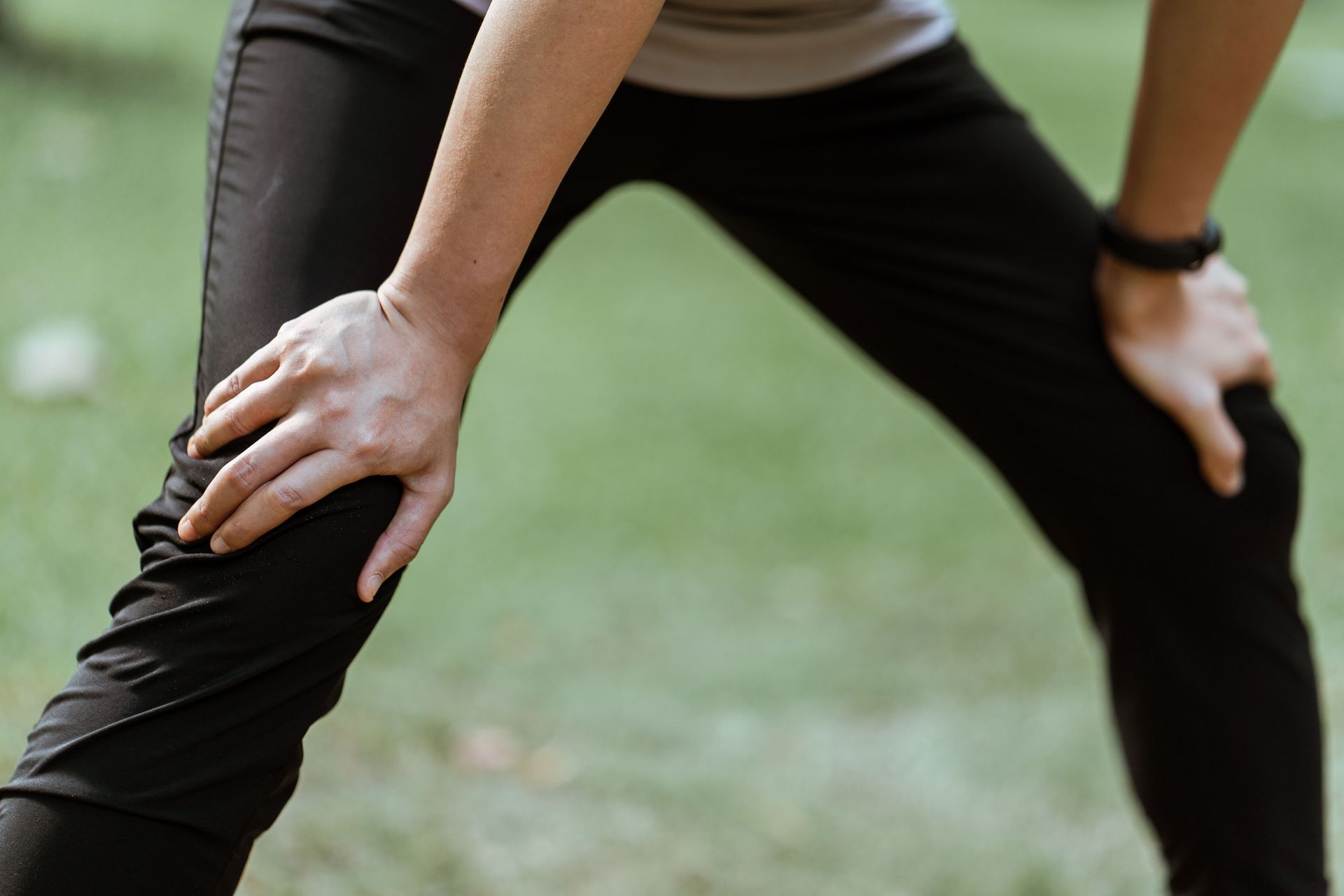
Knee pain when running? Learn what runner’s knee is, why it develops and how physiotherapy can help you keep running and build back capacity.

Learn effective shoulder exercises for pain relief and recovery. Consult our experts at The Addison Physiotherapy for personalized guidance.
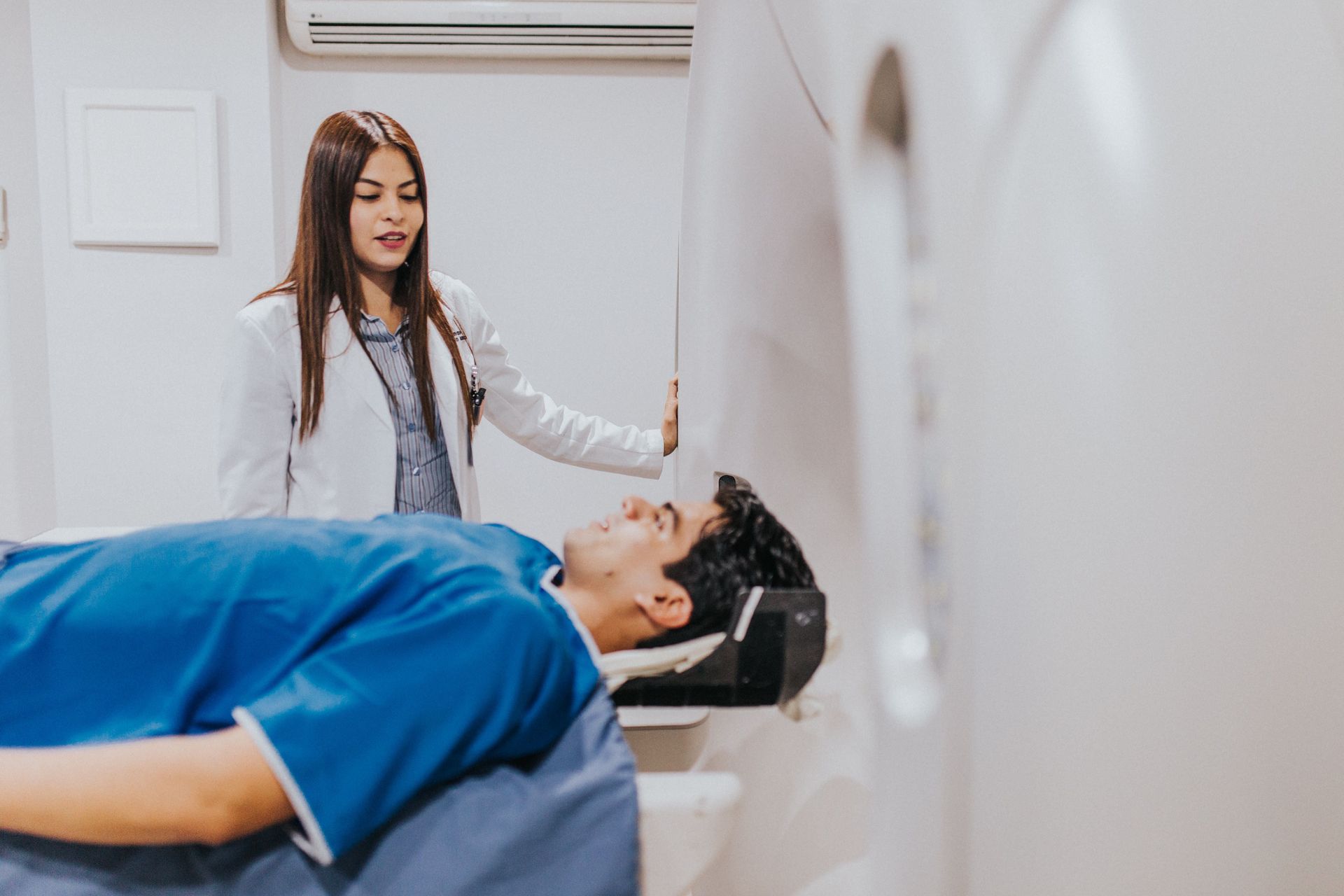
Find out if you need an MRI for shoulder pain. Learn about physiotherapy assessments & effective treatment options today!

Learn why your shoulder clicks & when to seek help. Contact us for expert physiotherapy assessment & tailored treatment.
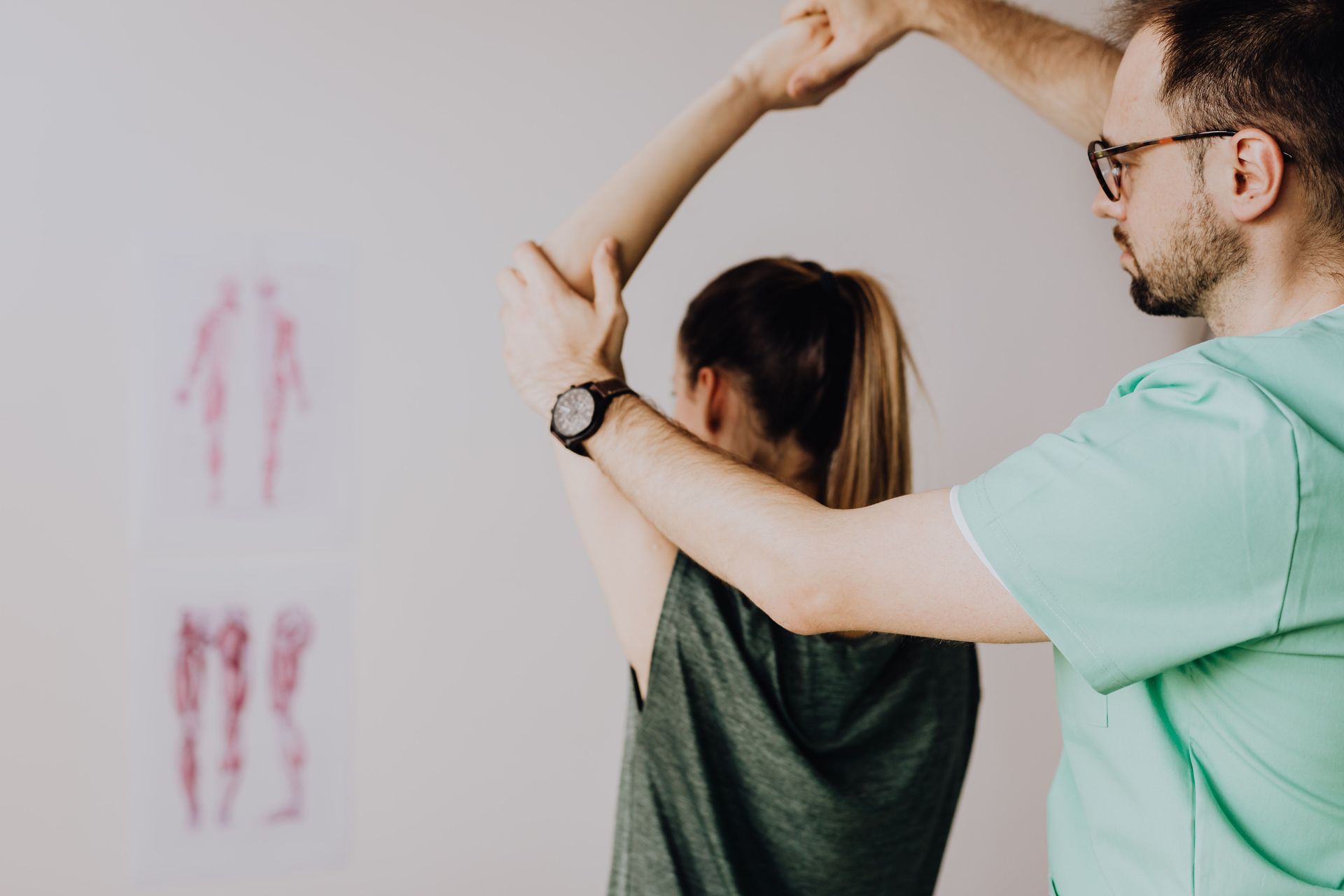
Learn what shoulder instability is, why it develops, common symptoms, and how physiotherapy can help prevent repeated shoulder dislocations. Shoulder dislocation

Learn about shoulder arthritis, common symptoms, treatment options and how physiotherapy can help reduce pain and improve shoulder function. Glenohumeral arthritis
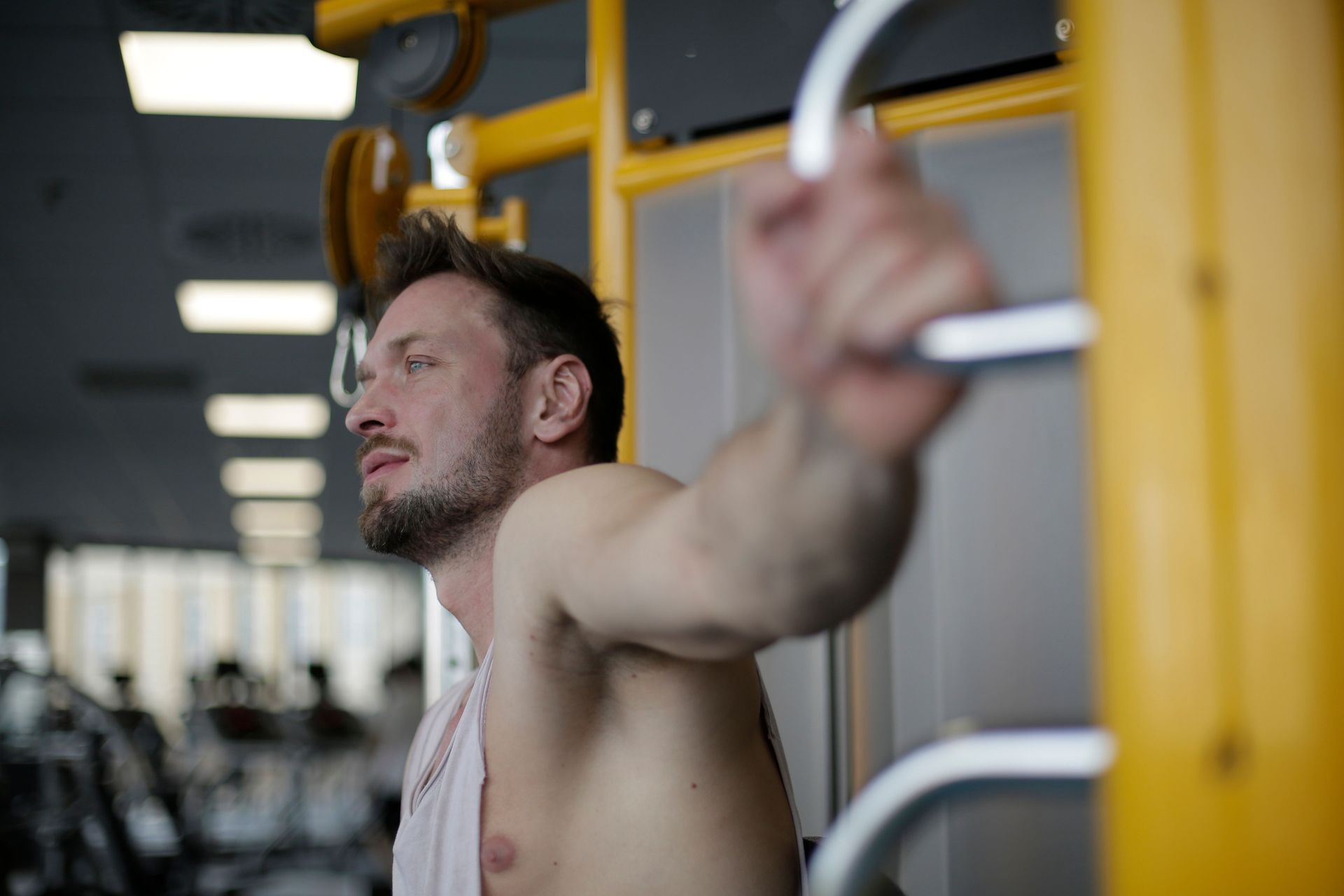
Shoulder pain during gym training? Learn the common causes of gym shoulder pain, what exercises to avoid, and how physiotherapy can help you keep training

Learn why shoulder pain develops after swimming, the common causes, and how physiotherapy can help you return to the pool pain-free. Swimmer's shoulder The Addison

Waking with shoulder pain at night? Learn the common causes of nighttime shoulder pain and how physiotherapy can help you sleep comfortably again Night shoulder pain