
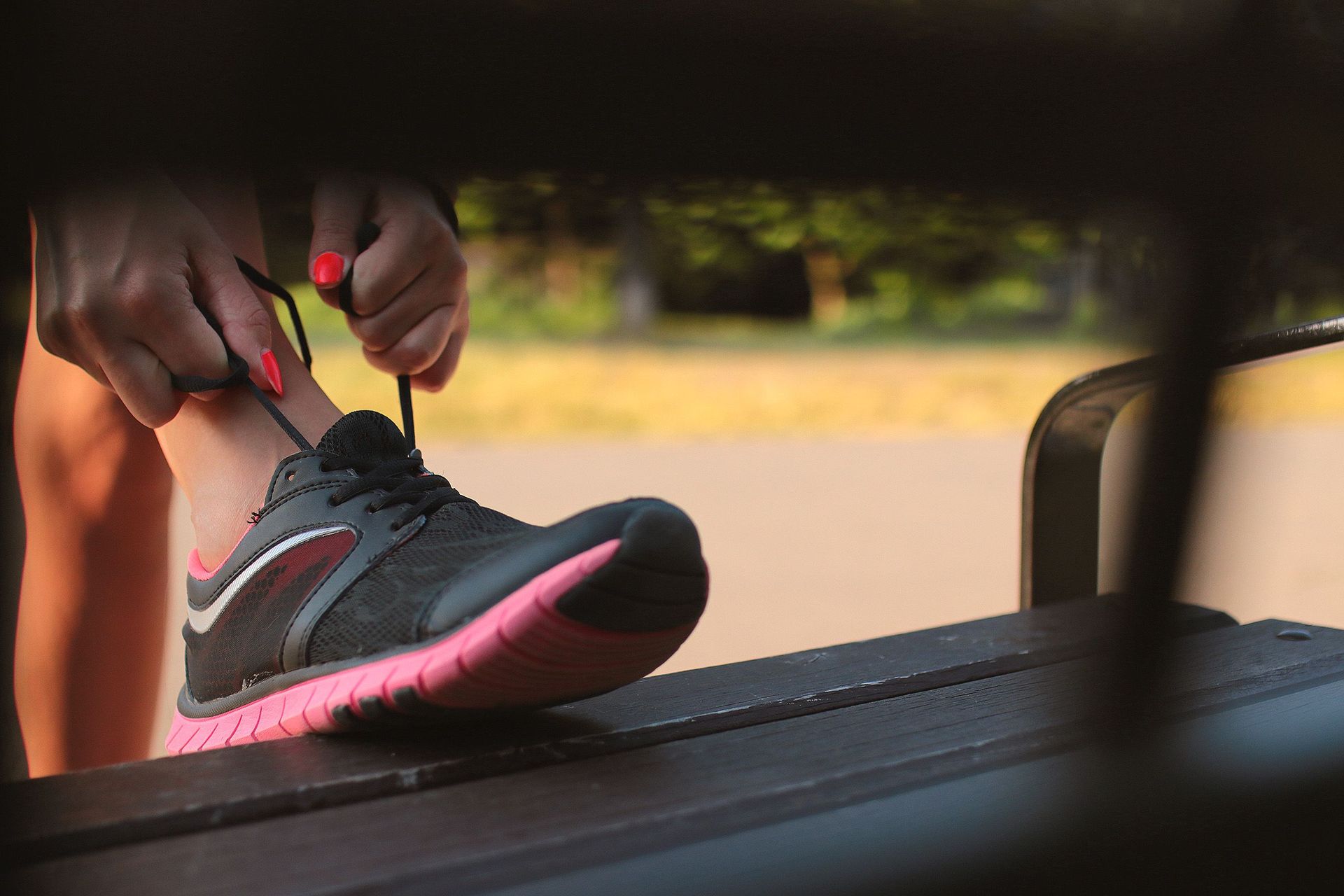
Returning to Running After Injury: A Step-by-Step Guide
Should shoulder exercises be painful?
Some mild discomfort during rehabilitation is often acceptable, but exercises shouldn't cause severe or progressively worsening pain.
How often should I do my shoulder exercises?
This depends on your injury and stage of recovery. Your physiotherapist will prescribe a program suited to your individual needs.
Can resistance bands replace weights?
Resistance bands are excellent for early rehabilitation, but many people eventually benefit from progressing to free weights or gym equipment.
Should I copy exercises from YouTube?
Not always. Exercises that are appropriate for one shoulder condition may aggravate another. It's important to know what you're treating before beginning rehabilitation.
Why Choose The Addison?
At The Addison Physiotherapy, we believe rehabilitation should be individual - not generic. We assess your shoulder, identify the underlying cause of your symptoms and prescribe exercises based on your goals, lifestyle and stage of recovery.
Whether you're aiming to return to the gym, sport or simply everyday life without pain, we'll help you build a stronger, more resilient shoulder.
One of the biggest mistakes after injury is treating return to running as an on/off switch.
You are injured.
Then you're “cleared”.
Then you go back to your normal 5km.
A better approach is to think of running as another progressive rehabilitation exercise.
Step 1: Build enough capacity
Before running, we may assess:
- walking tolerance
- strength
- calf capacity
- single-leg control
- hopping
- impact tolerance
The exact criteria depend on the injury.
Step 2: Introduce running gradually
For some people this starts with run/walk intervals.
For example: 2 minutes running / 1 minute walking × 6
That allows us to introduce running load without immediately asking the body to tolerate 30 continuous minutes.
Step 3: Increase duration
Once the body is tolerating running consistently, we can progressively increase total running time.
Step 4: Build continuous running
The next goal may be moving from intervals towards uninterrupted easy running.
Step 5: Add intensity
Speed, hills and harder sessions generally place different demands on the body.
They don't necessarily need to return at the same time as easy running.
Step 6: Return to normal training
Eventually, running needs to look like the activity you're preparing for.
A recreational 5km runner, marathon runner and footballer will require different end-stage programs.
Watch the response
The most important information often comes from what happens after the run and the following morning.
A good return-to-run program adapts based on this response rather than blindly progressing because a spreadsheet says it's time.
Related Articles
More+