Running injuries are common, but that doesn't mean running itself is bad for you.
More often, injuries occur when there is a mismatch between training load, recovery and the body's current capacity.
Here are some of the problems we commonly see in runners at our Marrickville physio clinic.
1. Runner’s knee
Pain around or behind the kneecap, often aggravated by running, stairs, squatting and downhill running.
Load modification and progressive quadriceps and lower-limb strengthening are commonly important.
2. Achilles tendinopathy
Typically produces Achilles pain and stiffness, particularly first thing in the morning and around running.
Progressive calf-Achilles loading is a cornerstone of rehabilitation.
3. Shin splints
Pain along the inside of the tibia can develop following changes in running volume or frequency.
Importantly, more focal shin pain needs assessment to rule out a bone stress injury.
4. IT band syndrome
Often presents as relatively localised pain on the outside of the knee that appears predictably after a certain amount of running.
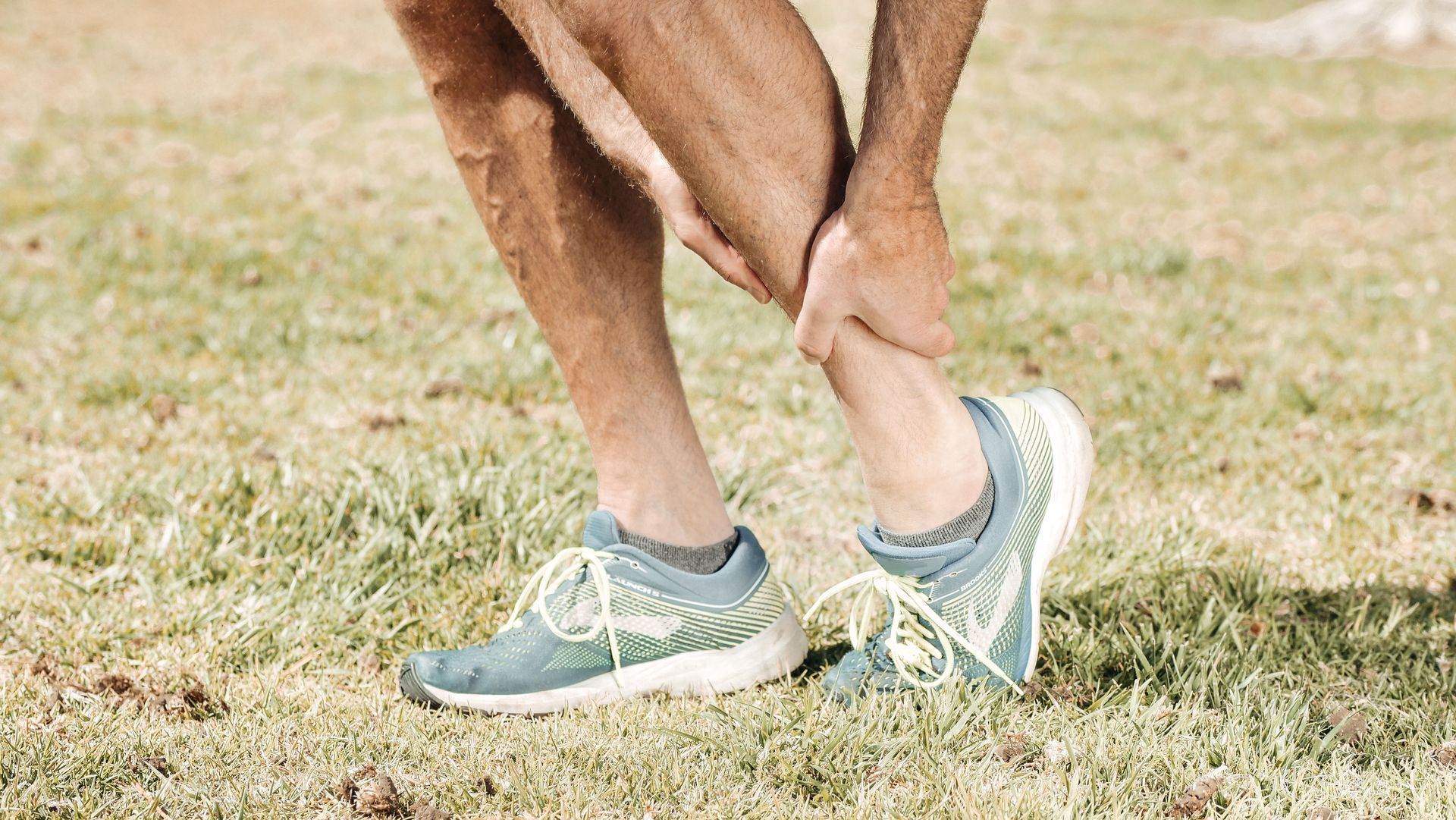
5. Calf strains
Common during running and sport, particularly when speed or intensity increases.
Rehabilitation should restore calf strength, endurance and eventually power.
6. Hamstring strains
Particularly relevant to faster running and field sports.
A proper rehabilitation program should eventually expose the hamstring to the speeds and loads required for sport.
7. Hip pain
Hip pain may occur at the front, side or back of the hip.
Because many different structures can produce symptoms around this area, an accurate diagnosis is important.
8. Bone stress injuries
These deserve particular attention.
Increasingly localised pain that becomes more reactive to running, hopping and eventually walking should not simply be ignored.
Why do runners get injured?
There isn't one universal reason.
But when assessing running injuries we often look at:
- recent training changes
- weekly running volume
- speed and hill exposure
- strength
- previous injuries
- recovery
- sleep
- nutrition
- footwear
- running mechanics where relevant
Should you stop running when something hurts?
Sometimes.
But not always.
Many running injuries can be rehabilitated while maintaining some running load.
Others - particularly suspected bone stress injuries - require a more cautious approach.
The important thing is knowing what you're dealing with.
How can a running assessment help?
A good running assessment isn't just somebody filming your feet on a treadmill.
At The Addison, the aim is to understand the bigger picture: your symptoms, training history, strength, physical capacity and running mechanics where relevant.
From there, we can determine what needs to change and build a plan around your goals.
If you're
a runner in Marrickville, Newtown, Enmore, Stanmore or the Inner West and an injury is stopping you from training normally, our physiotherapists can help you understand the problem and work towards getting you back to running.
Related Articles
- Runner’s Knee
- Achilles Tendinopathy
- Shin Splints
- Bone Stress Injuries
- Running Assessment
- Physiotherapy