
Runner’s Knee: Why Does My Knee Hurt When I Run?
Should shoulder exercises be painful?
Some mild discomfort during rehabilitation is often acceptable, but exercises shouldn't cause severe or progressively worsening pain.
How often should I do my shoulder exercises?
This depends on your injury and stage of recovery. Your physiotherapist will prescribe a program suited to your individual needs.
Can resistance bands replace weights?
Resistance bands are excellent for early rehabilitation, but many people eventually benefit from progressing to free weights or gym equipment.
Should I copy exercises from YouTube?
Not always. Exercises that are appropriate for one shoulder condition may aggravate another. It's important to know what you're treating before beginning rehabilitation.
Why Choose The Addison?
At The Addison Physiotherapy, we believe rehabilitation should be individual - not generic. We assess your shoulder, identify the underlying cause of your symptoms and prescribe exercises based on your goals, lifestyle and stage of recovery.
Whether you're aiming to return to the gym, sport or simply everyday life without pain, we'll help you build a stronger, more resilient shoulder.
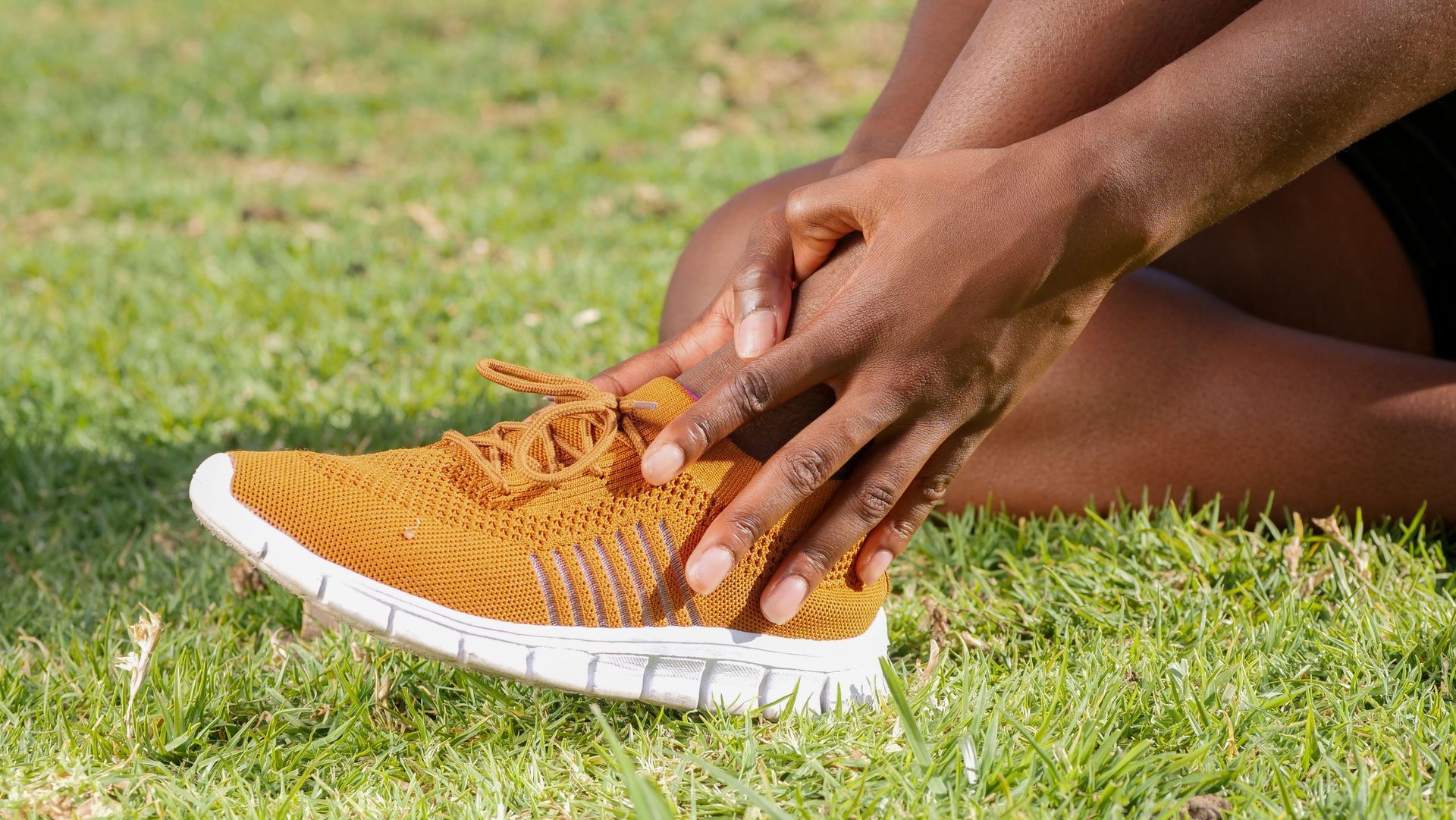
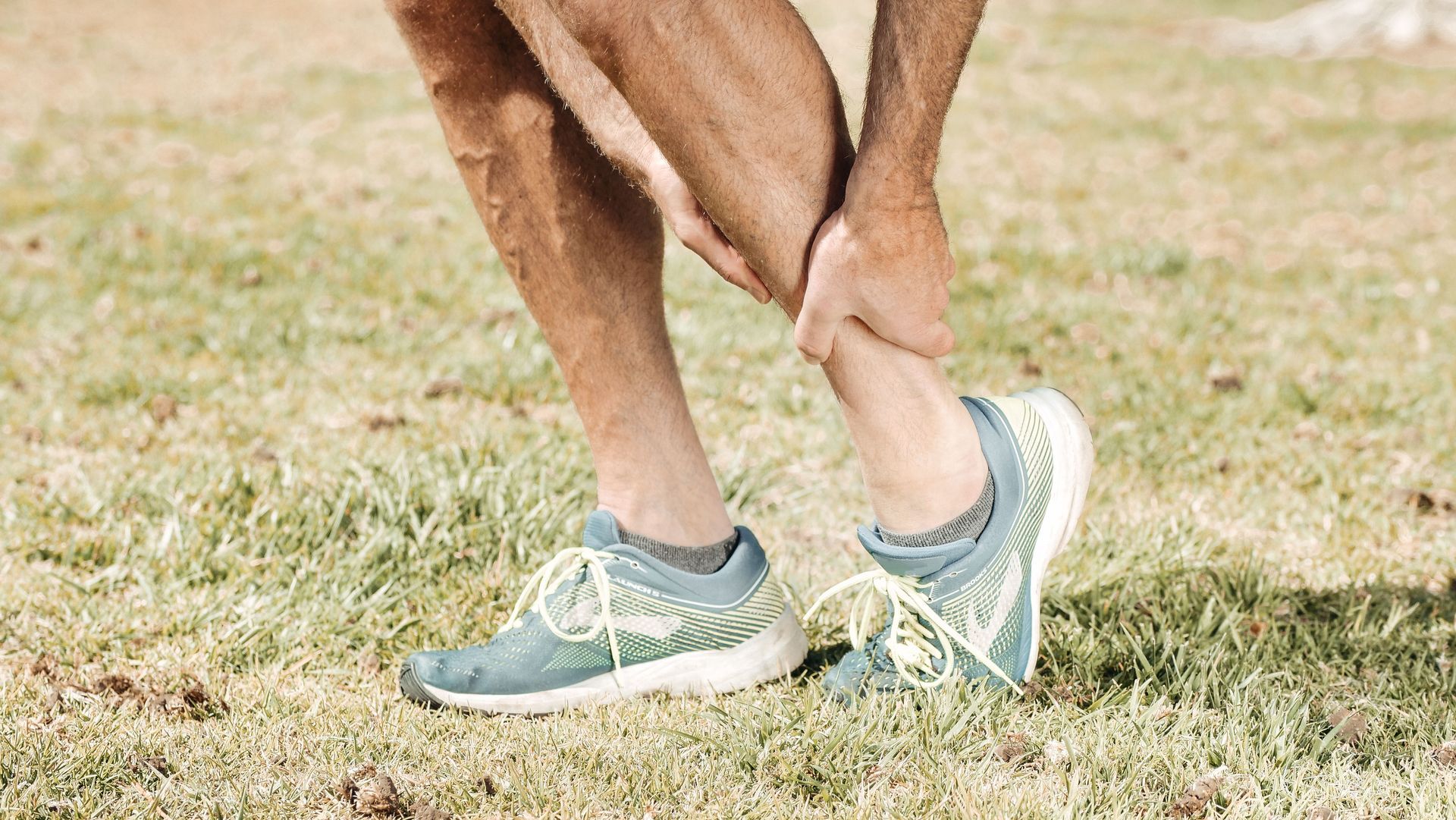
Runner’s knee is one of the most common problems we see in runners. The term usually refers to patellofemoral pain - pain felt around or behind the kneecap.
It can appear during a run, afterwards, when walking downstairs, squatting or even after sitting for a long period.
Importantly, it does not necessarily mean there is something structurally wrong with your knee.
Why does runner’s knee develop?
Often, it comes down to a mismatch between the amount of load going through the knee and how much load the knee is currently prepared to tolerate.
Common contributors include:
- a sudden increase in running volume
- adding hills or speed sessions
- returning to running after time off
- reduced quadriceps or hip strength
- changes in running frequency
- inadequate recovery between sessions
Sometimes running mechanics are relevant, but there is rarely one single “bad” running technique responsible for knee pain.
Why does it hurt running downhill?
Downhill running increases demand through the patellofemoral joint. That is why runners with an irritated knee will often tolerate flat running reasonably well but notice symptoms quickly on descents.
Do I have to stop running?
Not necessarily.
For many runners, the better approach is to modify running rather than completely stop it.
That could mean temporarily reducing distance, slowing the pace, avoiding hills or increasing recovery between sessions.
At the same time, rehabilitation should improve the knee’s ability to tolerate load.
What does rehabilitation involve?
Strengthening commonly targets:
- quadriceps
- glutes
- calves
- hamstrings
- single-leg strength and control
Your running program then needs to be progressively rebuilt alongside this
.
The key point
Runner’s knee is usually a load and capacity problem, not a sign that running is damaging your knees.
If knee pain is repeatedly limiting your running, a physiotherapy assessment can help determine what needs to change and give you a structured way forward.
At The Addison in Marrickville, we work with runners across the Inner West to assess strength, running load and movement before building an individual return-to-running plan.
Related Articles
More+