Whether you've developed shoulder pain from the gym, swimming, work or everyday activities, exercise is one of the most effective treatments. However, doing the wrong exercises too early can make symptoms worse.
At The Addison Physiotherapy, we prescribe shoulder exercises based on your individual diagnosis, goals and stage of recovery. Our aim is to help you build a stronger, more resilient shoulder—not simply reduce pain.
Key Takeaways
- Exercise is one of the most effective treatments for shoulder pain.
- The best exercises depend on your diagnosis and stage of recovery.
- Progressive strengthening produces better long-term outcomes than complete rest.
- Technique is often more important than lifting heavy weights.
- Rehabilitation should prepare you to return to work, sport or the gym.
What are the best shoulder exercises?
There isn't one exercise that's best for everyone.
The most effective rehabilitation programs usually include a combination of exercises that improve shoulder movement, strengthen the rotator cuff and build stability around the shoulder blade.
Exercises are generally progressed as your symptoms improve.
Early Stage Exercises:
When pain is more irritable, the focus is on maintaining movement without excessively aggravating symptoms.
Examples include:
- Pendulum exercises
- Assisted shoulder elevation
- Isometric shoulder exercises
- Gentle range of motion exercises
The goal during this stage is to keep the shoulder moving while allowing symptoms to settle.
Strengthening Exercises:
As pain improves, strengthening becomes the priority.
Common exercises include:
- External rotation with resistance bands
- Side-lying external rotation
- Scaption raises
- Cable rows
- Serratus anterior strengthening
- Lower trapezius strengthening
These exercises improve the shoulder's ability to tolerate everyday activities and reduce the likelihood of future flare-ups.
Advanced Exercises:
Once strength has improved, rehabilitation progresses towards more demanding movements.
Examples include:
- Dumbbell shoulder press
- Landmine press
- Push-ups
- Pull-ups
- Overhead carries
- Medicine ball exercises
- Plyometric drills for overhead athletes
The aim is to prepare the shoulder for the demands of your work, sport or gym training.
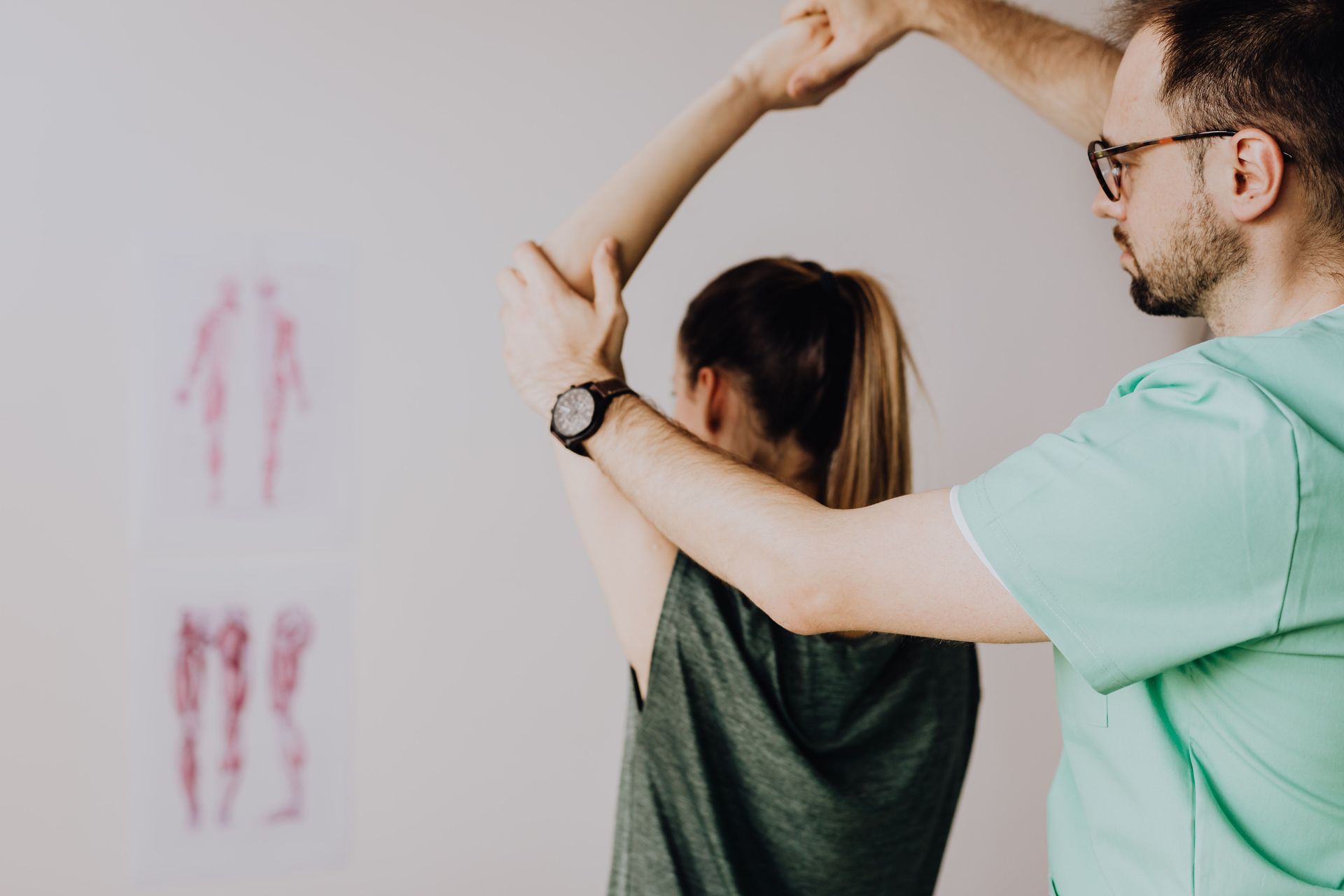
When should I see a physiotherapist?
It's worth booking an assessment if:
- Shoulder pain has persisted for more than one to two weeks.
- Exercises found online are making your symptoms worse.
- Your shoulder feels weak or unstable.
- You're unable to return to normal activities.
- Pain keeps returning despite exercising.
A physiotherapist can determine which exercises are appropriate for your specific injury and ensure you're progressing safely.
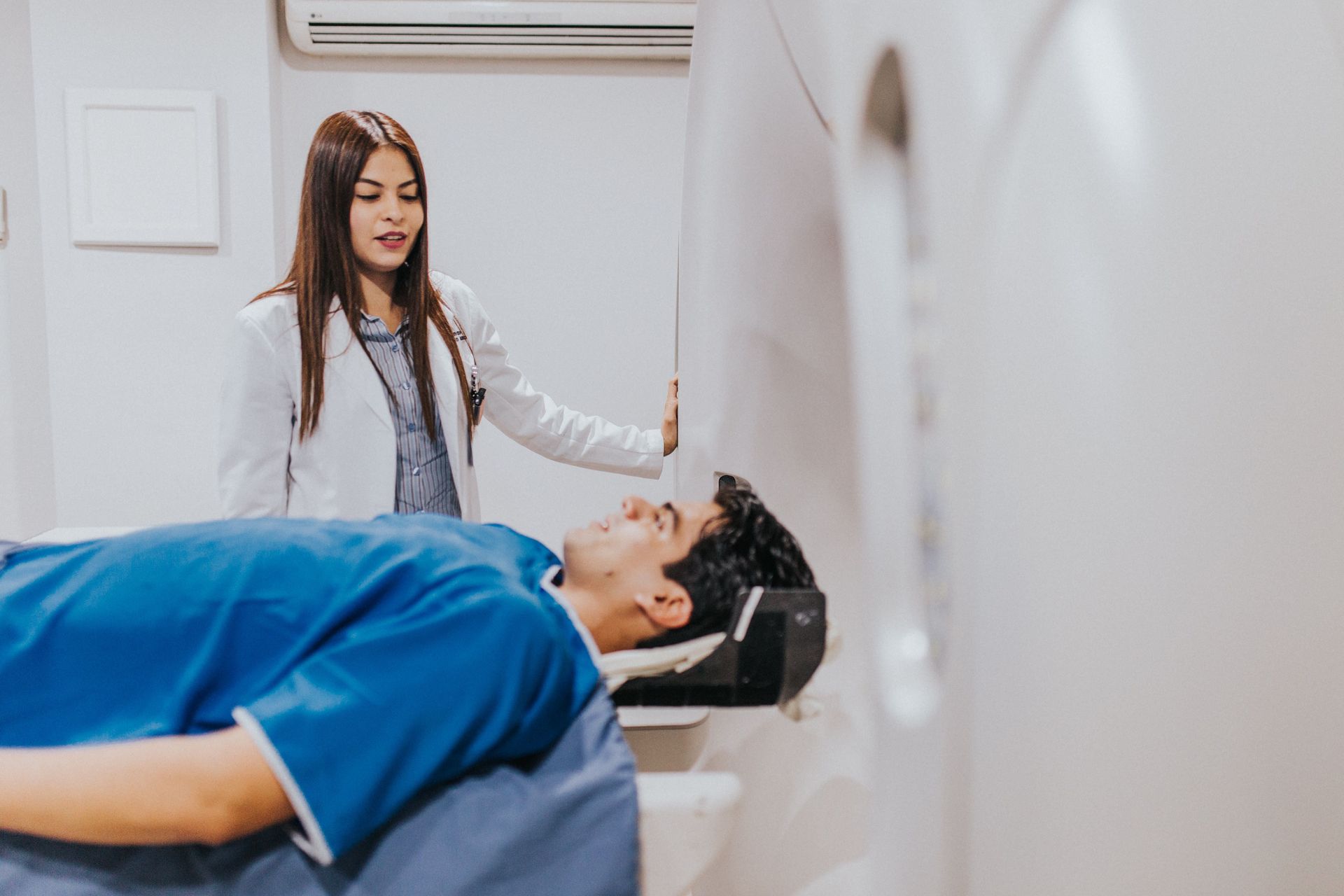
Do I need imaging?
Usually, no.
Most shoulder conditions can begin rehabilitation without an MRI or ultrasound.
A physiotherapy assessment is often enough to identify the source of your symptoms and prescribe an appropriate exercise program.
Imaging may be recommended if there has been significant trauma, substantial weakness or if symptoms aren't improving as expected.
How should I progress my exercises?
Successful rehabilitation isn't about constantly changing exercises - it's about progressively increasing your shoulder's capacity.
Progression usually involves:
Increasing Resistance
Gradually lifting heavier weights as symptoms allow.
Increasing Repetitions
Building muscular endurance before increasing load.
Increasing Range of Motion
Progressively restoring full shoulder movement.
Returning to Functional Activity
Gradually reintroducing work tasks, gym exercises and sporting movements.
Small, consistent improvements are usually more effective than progressing too quickly.
Can I keep going to the Gym?
Usually, yes.
One of the biggest myths surrounding shoulder pain is that you need to stop exercising completely.
Most people recover better by modifying their program rather than avoiding exercise altogether.
Your physiotherapist may recommend temporarily reducing overhead pressing, adjusting bench press depth or selecting alternative exercises while your shoulder recovers.
Maintaining overall strength and fitness is an important part of rehabilitation.
How long before exercises start working?
Recovery varies depending on your diagnosis, but most people notice gradual improvement over several weeks.