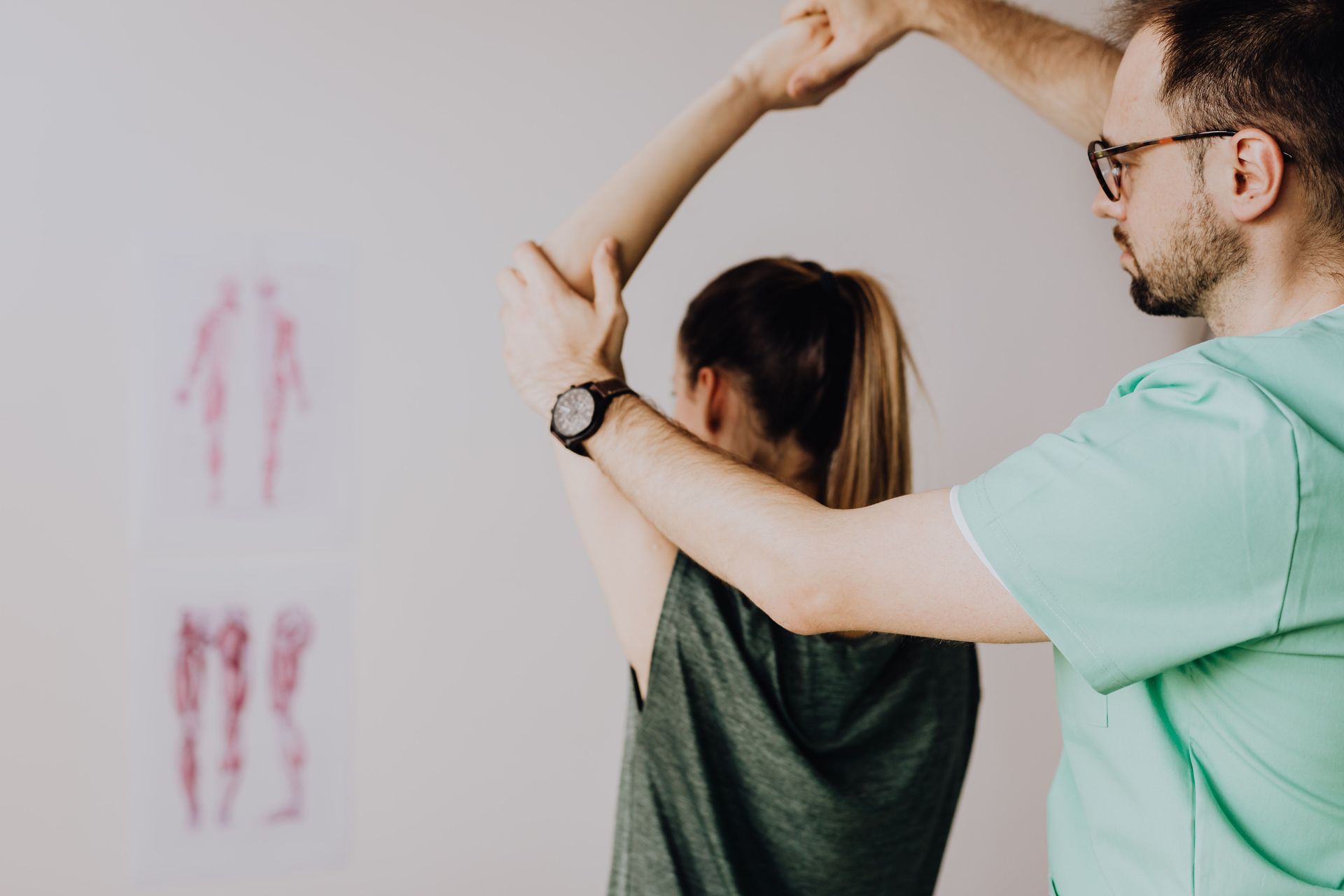
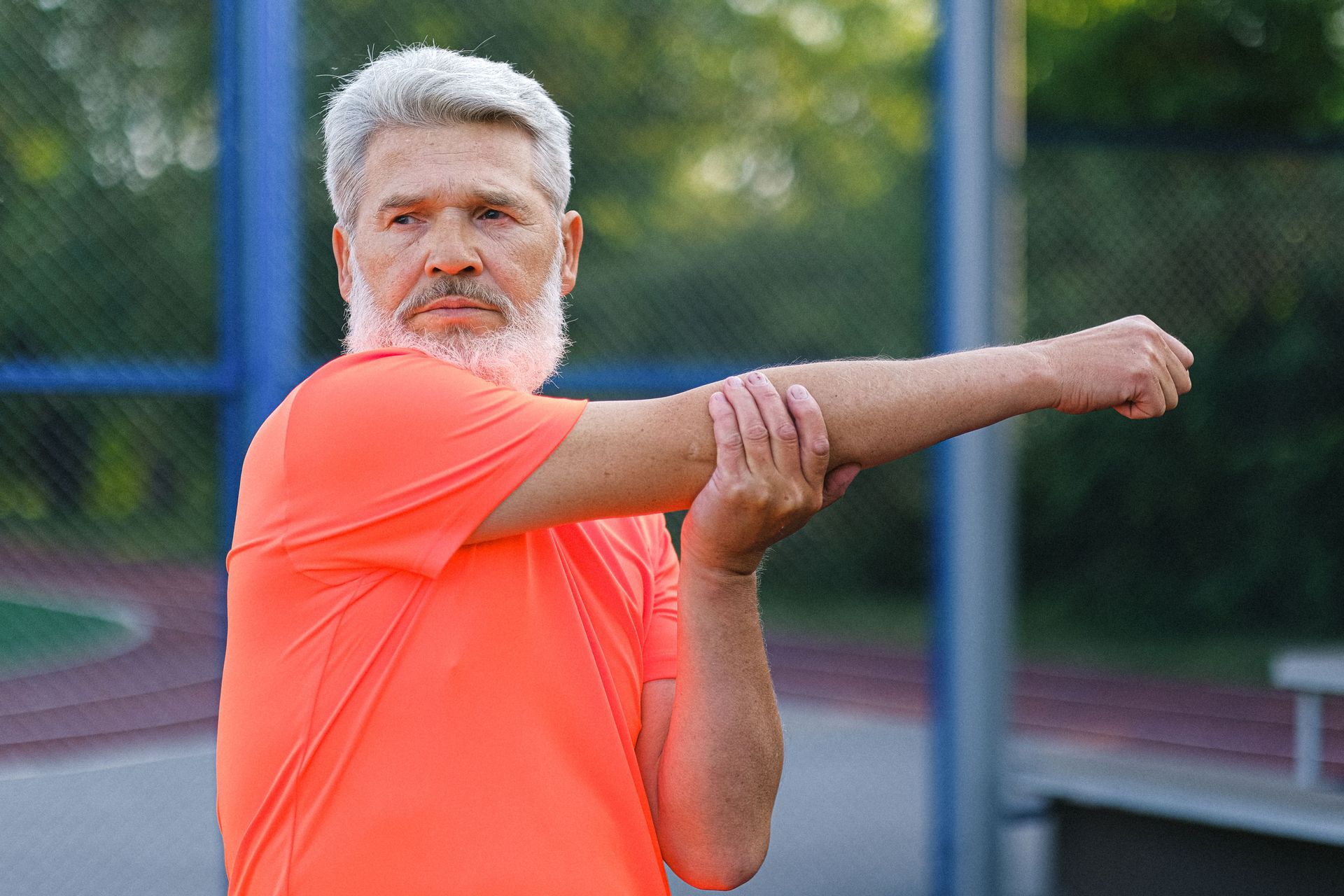
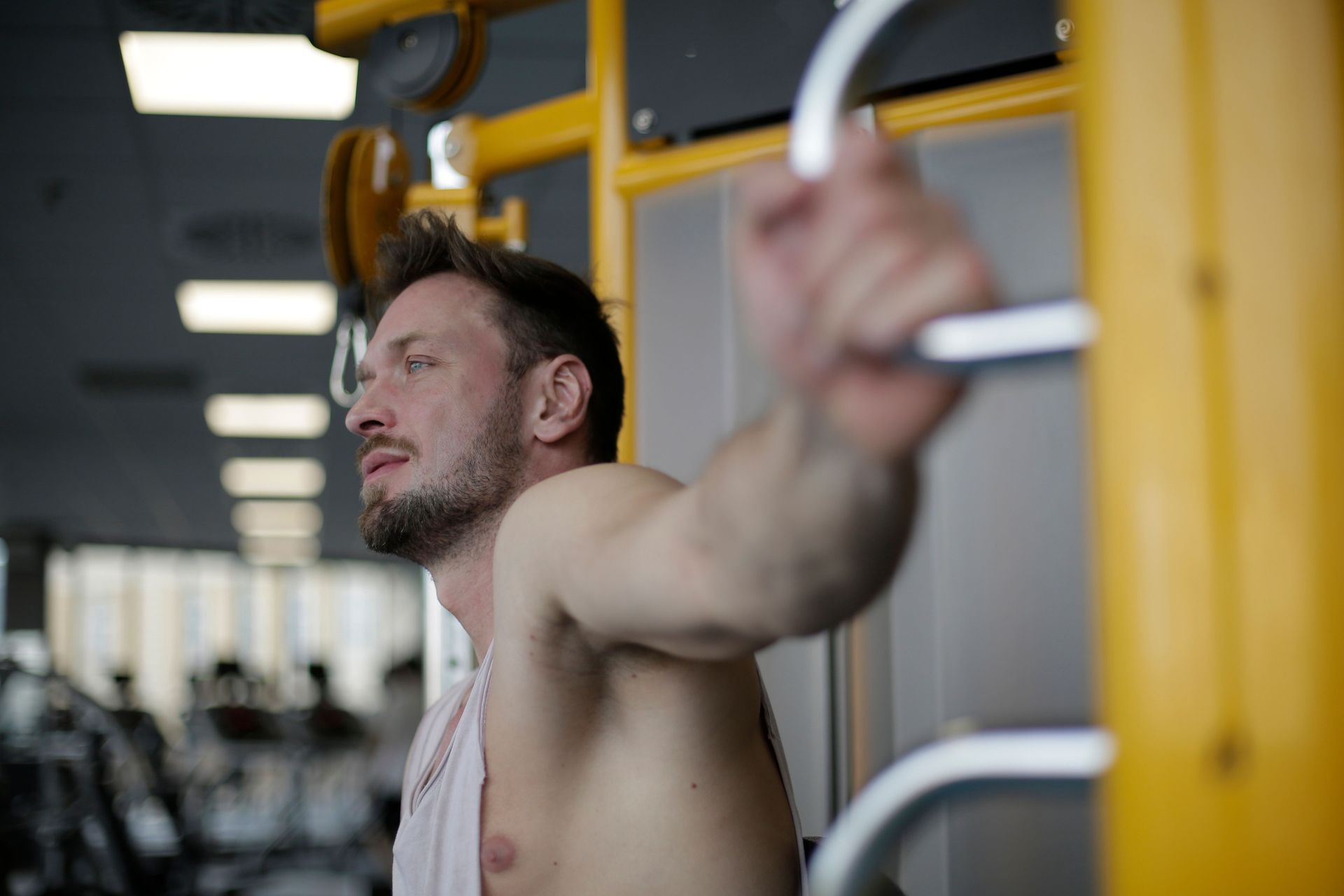
If you're experiencing pain when reaching overhead, lifting weights, putting on a shirt or sleeping on one side, your rotator cuff may be involved. The good news is that most rotator cuff injuries respond very well to physiotherapy and a structured strengthening program, with surgery only required in a small number of cases.
At The Addison Physiotherapy, we regularly assess and treat rotator cuff injuries in gym-goers, runners, tradies, office workers and recreational athletes. Our focus is on identifying the cause of your pain, improving your shoulder's capacity to tolerate load, and helping you return confidently to work, sport and everyday life.
Key Takeaways
- Rotator cuff pain is commonly caused by tendon overload rather than a complete tear.
- Pain is often worse when reaching overhead, lifting or sleeping on the affected side.
- Most people don't need an MRI straight away.
- Progressive strengthening is one of the most effective treatments.
- Most people recover well without surgery.
What causes rotator cuff pain?
Rotator cuff pain usually develops when the shoulder is exposed to more load than it can currently tolerate. This may happen suddenly after lifting something heavy or gradually after weeks or months of repetitive activity.
Common causes include:
- Increasing gym loads too quickly
- Repetitive overhead work
- Swimming or throwing sports
- Returning to exercise after time off
- Poor shoulder strength or control
- Falling onto the shoulder
In many cases there isn't a single injury. Instead, the tendon gradually becomes irritated as the demands placed on it exceed its current capacity.
What are the symptoms of rotator cuff pain?
People commonly experience:
- Pain when lifting the arm overhead
- Pain reaching behind your back
- Difficulty putting on a shirt or jacket
- Pain when lying on the affected shoulder
- Weakness during lifting or pressing exercises
- Aching after activity rather than during it
- Reduced confidence using the shoulder
Pain doesn't always reflect the severity of the injury. Some people with significant tendon changes have very little pain, while others with relatively minor irritation can be quite sore.
When should I see a physiotherapist?
It's worth booking an assessment if:
- Your shoulder pain has lasted longer than one to two weeks.
- Pain is affecting your sleep.
- You're unable to train or work comfortably.
- You're noticing weakness or reduced movement.
- Symptoms continue to worsen despite resting.
- Early assessment helps identify the underlying cause and allows treatment to begin before the problem becomes more persistent.
Do I need imaging?
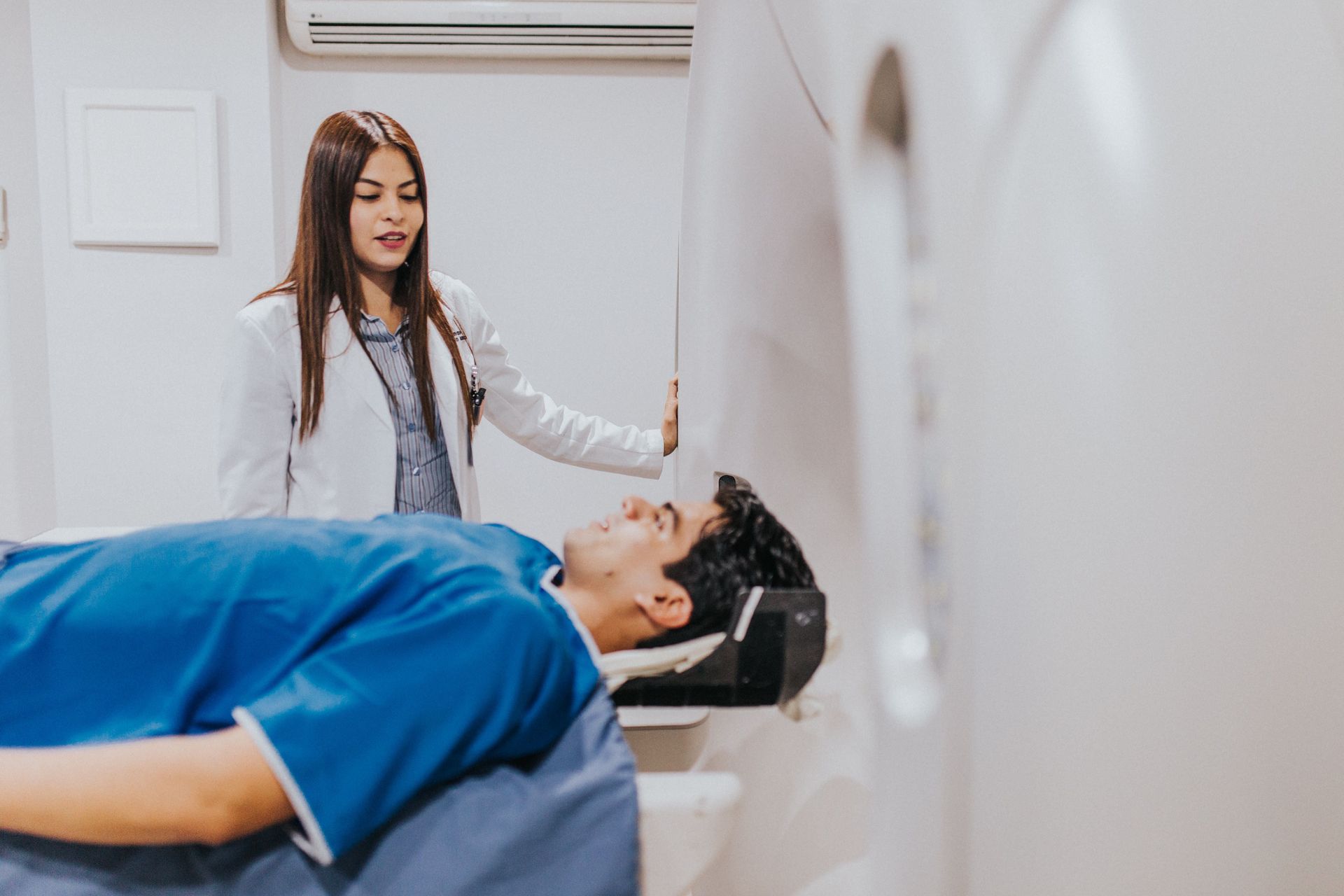
Usually, no. An MRI isn't always required because many people have rotator cuff changes on imaging without experiencing any pain. Your symptoms, strength and movement are often more important than the scan itself.
Imaging may be recommended if:
- You suffered a significant traumatic injury.
- There is marked weakness suggesting a larger tear.
- Symptoms fail to improve with appropriate rehabilitation.
- Surgery is being considered.
For most people, physiotherapy can begin without waiting for imaging.
How is rotator cuff pain treated?
Successful treatment focuses on improving the shoulder's ability to tolerate load rather than simply reducing pain.
Treatment usually includes:
Education
Understanding why your shoulder became painful and how to manage symptoms during recovery.
Load Management
Modifying activities that aggravate your shoulder while maintaining as much normal movement as possible.
Progressive Strengthening
Specific exercises to improve the strength and capacity of the rotator cuff and surrounding muscles.
Return to Activity
Gradually returning to work, sport or the gym with a structured plan that reduces the risk of flare-ups.
Can I keep exercising?
In many cases, yes.
Completely stopping exercise is rarely necessary and may actually delay recovery by reducing shoulder strength. Instead, exercises are usually modified by reducing weight, changing range of motion or selecting alternative movements that place less stress on the shoulder. As your symptoms improve, you'll gradually progress back to your usual training.
How long does recovery take?
Recovery varies depending on the severity of the injury and how long symptoms have been present.